TL;DR
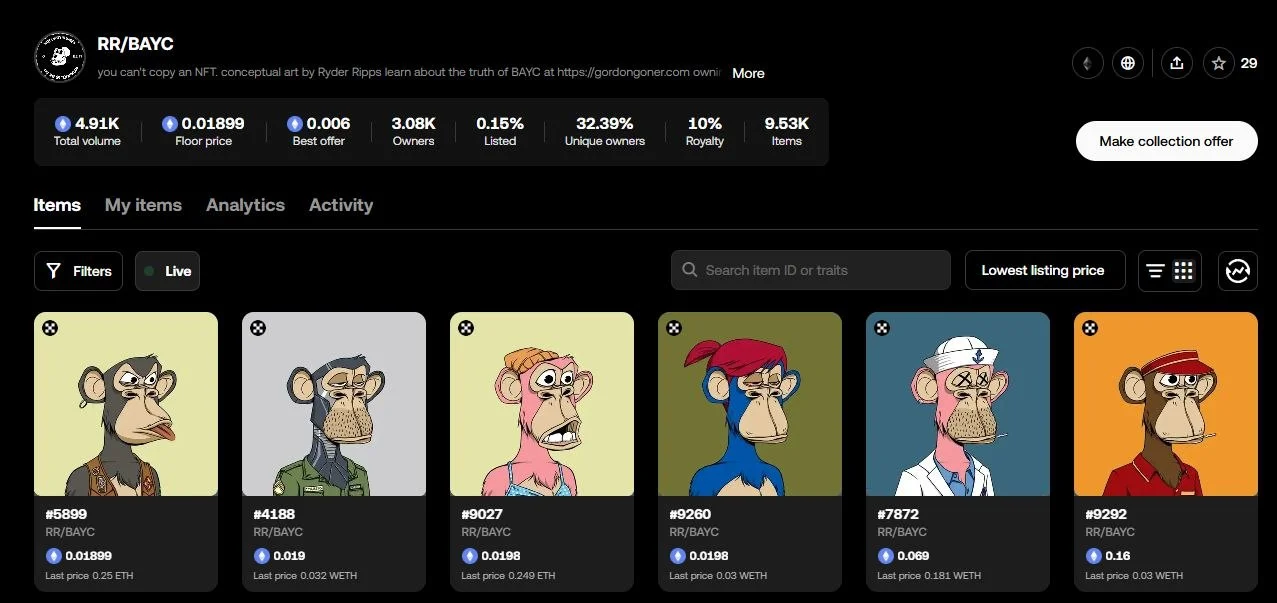
Yuga Labs has reached a final settlement with RR/BAYC copycat NFT artists after a nearly four-year legal dispute.
The settlement permanently bans RR/BAYC from using BAYC trademarks and requires full transfer of all related assets including smart contracts and domains.
The case establishes that NFTs are subject to strong IP law enforcement, and ‘parody’ defenses are not legally safe in NFT copyright cases.
Yuga Labs and RR/BAYC Artists Reach Final Settlement
After nearly four years of legal battle, Yuga Labs — the creator of Bored Ape Yacht Club (BAYC) — has reached a final settlement with the artists behind the copycat NFT project RR/BAYC, bringing the high-profile NFT copyright lawsuit to a close.
Settlement Terms: What RR/BAYC Must Hand Over
Under the agreement, the RR/BAYC artists are permanently banned from using BAYC images and trademarks. All project-related assets must be transferred to Yuga Labs, including smart contracts, domains, and remaining NFTs. The artists are also prohibited from concealing or transferring assets to avoid compliance.
BAYC NFT Lawsuit Timeline: 2022 to 2026
2022: Yuga Labs files lawsuit over unauthorized profits from copycat NFT sales.
2023: First court victory — copyright infringement officially recognized.
2024: Damages climb to approximately $9 million.
2025: Appeals court rules a jury trial is required.
2026: Case concludes with a final out-of-court settlement.
What This Means for NFT Intellectual Property Rights
This case sets a strong precedent: NFTs are fully subject to intellectual property law. Even claims of “parody” were not enough to provide legal protection. Yuga Labs has successfully defended the BAYC brand, signaling to the broader NFT market that IP rights in the space will be aggressively enforced.
Business DM@doosingod(TG)
Hello, I’m DOOSIN. KOR NFT Influencer & DOOSIN ALPHA Founder
If you want to promote your project in South Korea, feel free to contact me!
I can gather Korean KOLs and handle the marketing.
SNS
Leave a Reply